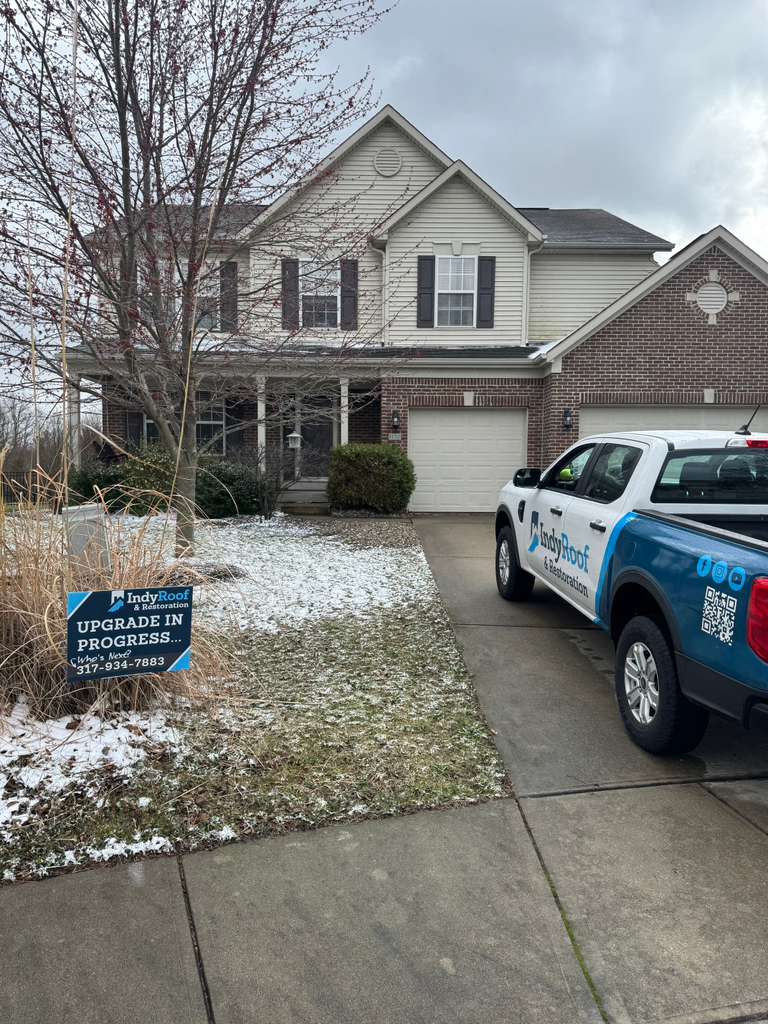
Quick Answer: How to File a Roof Insurance Claim
Filing a roof insurance claim follows a clear sequence. First, ensure everyone is safe and take reasonable steps to limit further damage, like having a professional tarp a compromised roof. Document the damage with photos and notes, and note the date and cause, such as a storm. Review your policy to understand your coverage, deductible, and any claim requirements. Get a professional roof inspection to assess and document the damage and its cause, since this supports the claim. Contact your insurer to report the damage and file the claim, providing your documentation. The insurer typically assigns an adjuster to assess the damage and determine coverage. Once the claim is approved, review the settlement, pay your deductible, and complete the repairs with a reputable roofer, keeping records throughout. For a Boswell homeowner, following these steps in order helps the claim proceed smoothly, though the specifics vary by insurer, so confirming details with yours is sensible. Boswell Roofing provides roof inspections and repairs for Boswell homeowners and can document the damage to support your claim and complete the repair for your home.
Step 1: Ensure Safety and Limit Damage
The first step is to ensure everyone is safe and take reasonable measures to limit further damage. Stay away from hazards like downed power lines and unstable areas, and have a professional tarp a compromised roof or take safe interior measures to contain water. For a Boswell homeowner, safety and prompt mitigation come first. Because insurers generally expect reasonable steps to limit damage and safety is paramount, ensuring safety and limiting further damage, with a professional handling the roof, protects the home and supports the claim, so this is the sensible first step before the documentation and filing that follow, keeping you safe and the damage contained for your home.
Step 3: Review Your Policy
Reviewing your policy helps you understand your coverage, deductible, and any claim requirements before filing. Check your covered perils, exclusions, deductible, whether it pays actual cash value or replacement cost, and any deadlines. For a Boswell homeowner, knowing your policy helps you file effectively. Because coverage and requirements vary by policy, reviewing yours clarifies what is covered, what you would pay, and how to file, so understanding your policy before filing helps you set expectations and meet any requirements, with your insurer able to clarify anything unclear, so this review is a worthwhile step that prepares you for the claim for your home.
Step 5: Contact Your Insurer
Contacting your insurer reports the damage and begins the claim. Report the damage, provide your documentation, and follow their process for filing. For a Boswell homeowner, contacting your insurer reasonably soon is sensible. Because the insurer handles the claim and prompt reporting is generally advisable, contacting them to report the damage, providing your documentation, and following their steps gets the claim underway, so reaching out to your insurer after documenting the damage and getting an inspection is the step that formally starts the process, with the specifics of how to report and file depending on your insurer, so follow their guidance on contacting them for your home.
Step 8: Review the Settlement
Once the insurer evaluates the claim, review the settlement to understand what is covered and the payout. If you believe covered damage was not fully assessed, you can provide additional documentation or request a re evaluation. For a Boswell homeowner, reviewing the settlement carefully is worthwhile. Because the settlement reflects the insurer's assessment, reviewing it against the documented damage helps you confirm it is fair, so rather than automatically accepting it, reviewing the settlement and, if needed, providing a professional inspection and discussing it with your insurer supports a fair outcome, so this review is an important step before proceeding to repairs for your home.
Step 9: Complete the Repairs
With the claim settled, complete the repairs with a reputable roofer, paying your deductible and coordinating with your insurer. For a Boswell homeowner, quality repairs restore the roof. Boswell Roofing provides roof repairs and replacements for Boswell homeowners. Because the goal is to restore the roof properly, having a reputable, established local roofer complete the covered work, in coordination with the settlement, returns the roof to good condition, so completing the repairs with a trusted roofer, after the claim is settled, is the step that resolves the damage, so choosing a quality roofer for the covered repairs is worthwhile, with you generally able to choose your own contractor for your home.
Step 2: Document the Damage
The next step is to document the damage thoroughly, since documentation supports the claim. Take photos of the damage, inside and from the ground outside, note the date and cause, and keep receipts for any mitigation measures. For a Boswell homeowner, thorough documentation strengthens the claim. Because insurers want a clear record of the damage and its covered cause, gathering photos, notes, and receipts provides that record, so documenting the damage early, before repairs beyond temporary measures, gives you and your insurer a clear picture, which supports the claim, with the professional inspection adding a detailed assessment, so good documentation is a key early step for your home.
Step 6: File the Claim
Filing the claim involves submitting it to your insurer with your documentation and following their process. Provide the photos, notes, professional inspection, and estimate, and any information they request. For a Boswell homeowner, filing with thorough documentation supports the claim. Because the claim is evaluated on the damage and its covered cause, submitting it with clear documentation helps it proceed, so filing with the professional inspection and your records, and following your insurer's process, sets up the assessment, with the adjuster's visit and the settlement following, so a well documented filing is the foundation of the claim, giving the insurer what they need to evaluate it for your home.
The Bottom Line
Filing a roof insurance claim follows a clear sequence: ensure safety and limit damage, document the damage, review your policy, get a professional inspection, contact your insurer, file the claim, prepare for the adjuster, review the settlement, and complete the repairs, keeping records throughout. For a Boswell homeowner, following these steps in order helps the claim proceed, though the specifics vary by insurer, so confirming with yours is sensible. Boswell Roofing provides roof inspections and repairs for Boswell homeowners and can document the damage to support your claim and complete the repair. Call (463) 220-0721 for an inspection or help with your roof for your home.
Keeping Records Throughout
Throughout the process, keep good records, since they support the claim and keep you organized. Save your photos and notes, keep receipts for mitigation and expenses, and record communications with your roofer and insurer. For a Boswell homeowner, organized records make the claim smoother. Because insurers value documentation and a clear record helps the claim, keeping your photos, receipts, the professional inspection, and a log of communications supports the claim and keeps the process organized, so maintaining good records from the first step through the repairs is a practical part of filing a roof claim, helping ensure nothing is overlooked as the claim proceeds for your home.
Step 7: The Adjuster Visit
After filing, the insurer typically sends an adjuster to assess the damage and determine coverage. Have your documentation and the roofer's assessment available, and be present if helpful, to support an accurate evaluation. For a Boswell homeowner, being prepared for the adjuster helps the damage be fairly assessed. Because the adjuster evaluates the claim against your policy, providing thorough documentation and having a professional assessment available can help ensure the damage is accurately and fairly assessed, so preparing for the adjuster's visit, with documentation and professional input, supports an accurate evaluation, so this step is where the insurer determines coverage based on the damage for your home.
Step 4: Get a Professional Inspection
Getting a professional roof inspection assesses and documents the damage and its cause, which supports the claim. A qualified roofer can safely inspect the roof, identify the damage, and provide documentation and an estimate. For a Boswell homeowner, a professional inspection provides an accurate assessment for the claim. Because a claim benefits from clear documentation of the damage and its covered cause, a professional inspection that accurately records both strengthens your position, so getting one before or around the time of filing establishes the damage clearly, with the insurer also assessing it, so a professional inspection is an important step. Boswell Roofing provides roof inspections for Boswell homeowners.